Medieval Zagreb
In 925, the first Croatian king Tomislav was crowned.
In 1093/1094, the foundation of the Diocese of Zagreb by the Hungarian King Ladislaus; written documents first mention Zagreb.
In 1242, Zagreb (then Gradec) was proclaimed Free City of the Kingdom by the Golden Bull of Croatian-Hungarian King Bela IV. When under the pressure of the Mongols and Tatars and their victory over the Hungarian army in 1241 on the Sajó River, King Béla IV was forced to flee to Croatia to seek safety, he also found refuge in Zagreb. The poorly fortified town at the time could not withstand the Tatar invasion and was destroyed and burned, as was the cathedral itself, but the king later worthily repaid it (the Golden Bull).
In 1303, blessed Augustin Kažotić was appointed by the pope Benedict XI as a bishop of Zagreb. Augustin Kažotić studied at the University in Paris under the influence of the doctrine of Thomas Aquinas. He served as the Bishop of Zagreb from 1303 to 1322. In Zagreb, he reoganized the chapter and founded a cathedral school. The school offered free instruction specifically aimed at helping poor and underprivileged students who otherwise could not afford schooling. He built a hospice near the cathedral to care for the poor and travelers. During his forced exile at the papal court in Avignon from 1318 to 1322, Blessed Augustin Kažotić served as a papal advisor to Pope John XXII. During this period, he wrote two treatises: Dicta super quaestionibus de baptizacione ymaginum et aliarum superstitionum (1320) i De bonis et usu Christi et discipulorum seu apostolorum (1321/1322).
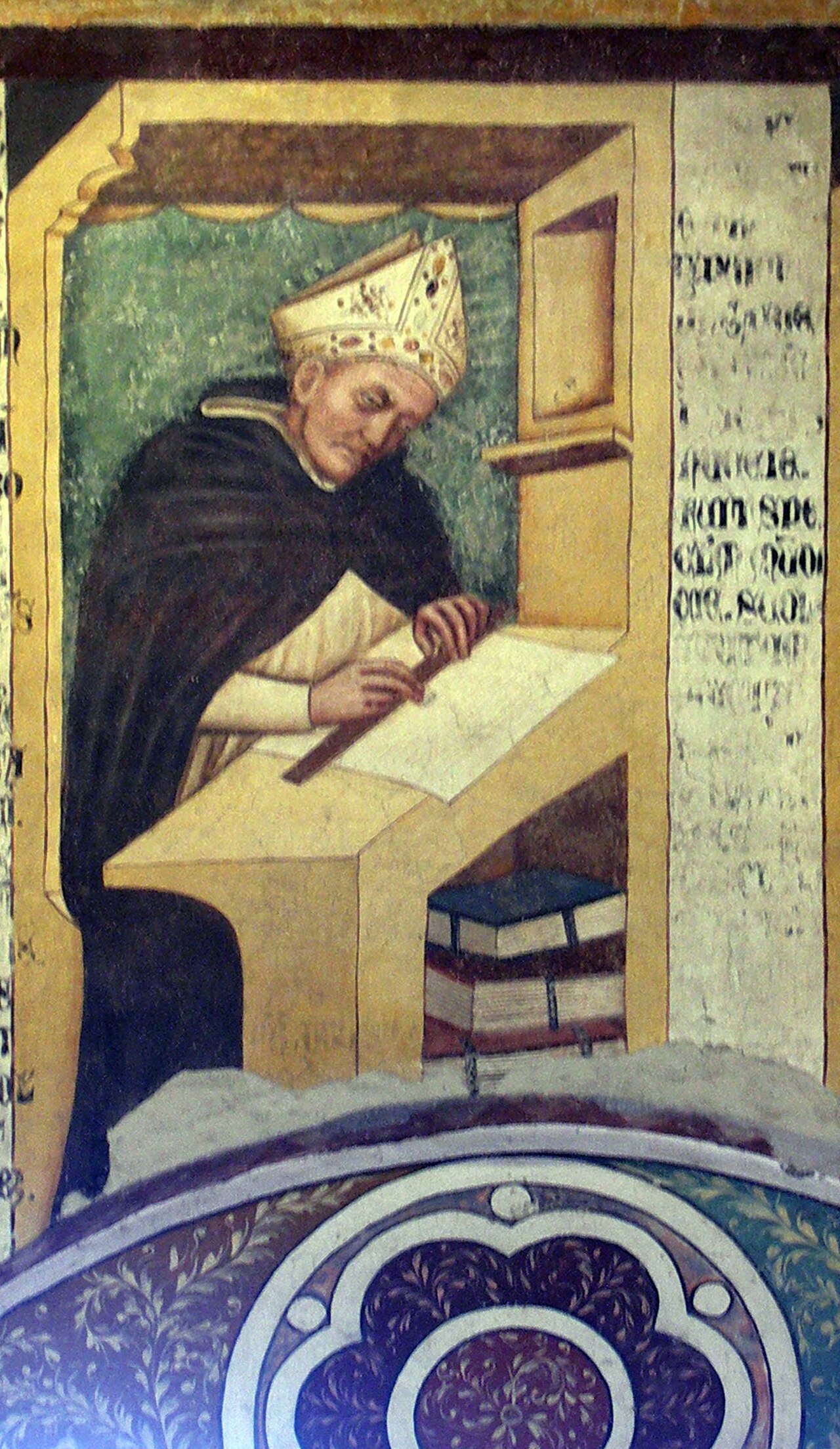
A 1352 fresco by Tommaso da Modena at the church of Saint Nicholas in Treviso
In 1396, the University of Zadar was founded as Studium generale by the Dominican Order, later known as Universitas Jadertina, which making it the oldest university in Croatia. In 1553 it received the status of “the privileged university”, with the right to award the highest academic degrees, including a doctorate.
In 1669, the University of Zagreb was founded by Emperor and King Leopold I Habsburg who issued a decree granting the status and privileges of a university to the Jesuit Academy of the Royal Free City of Zagreb. According to that document the study of philosophy in Zagreb acquired a formal and legal status as Neoacademia Zagrabiensis and officially became a public institution of higher education.
Metropolitan Library and Croatian State Archives
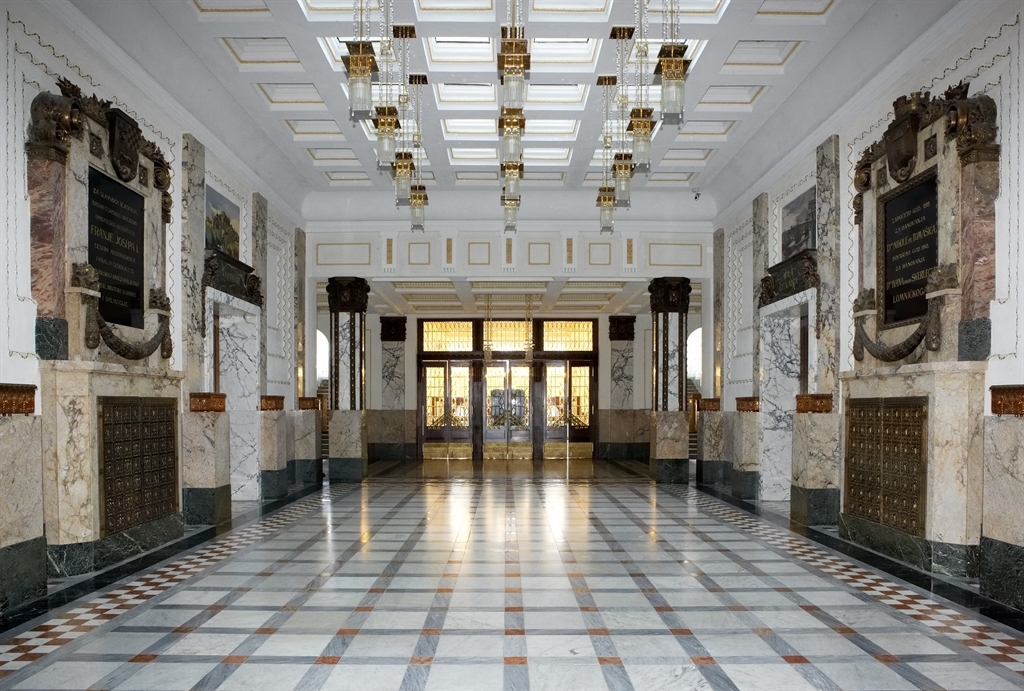
The Library of the Archdiocese and the Cathedral Chapter of Zagreb, the Metropolitana or Metropolitan Library, is the largest, the most important and the richest historical library in Croatia. The history of the Metropolitan Library begins in the period of the foundation of the Diocese of Zagreb (1093/1094) and continues to the most recent times. Its holdings consist of around 60,000 volumes which make the Metropolitan Library the most diverse and the most valuable historical library in Croatia and in this part of Europe. Many of the 197 medieval manuscripts preserved in the Metropolitan Library are mentioned in the oldest inventory of Zagreb cathedral compiled in the late 14th century. Manuscripts represent the Library's most valuable collection, followed by the collection of incunabula, the earliest printed books, which enumerates 257 items and is thus the largest in Croatia.
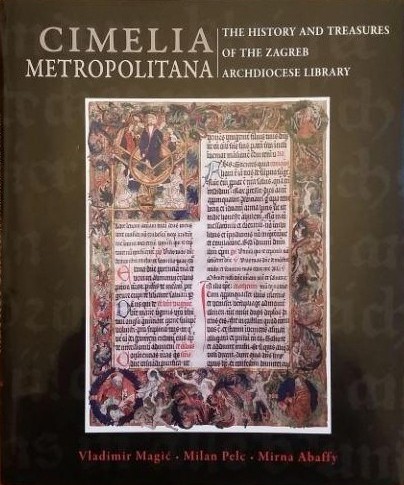
Cimelia Metropolitana. The History and Treasures of the Zagreb Archdeocese Library
Lotrščak Tower (Croatian: Kula Lotrščak)
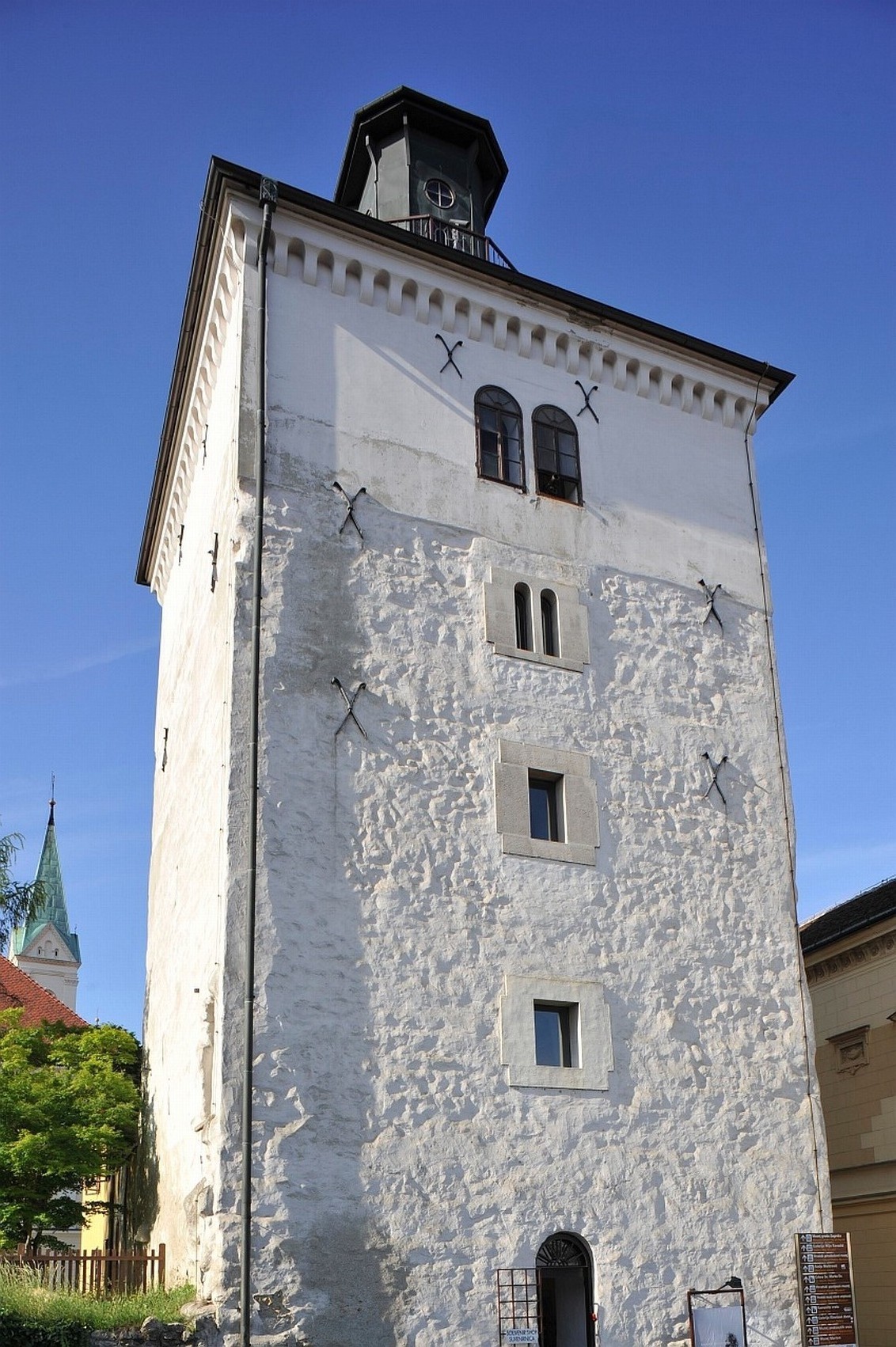
For providing him with a haven during his flight from the Tatars, Bela IV, the King of Croatia and Hungary, gave his thanks to the city of Gradec by issuing the Golden Bull (1242), which made it a royal free city. This obliged Gradec to construct defensive walls and towers. It took 20 years to complete these fortifications, in 1266. During this time, the Lotrščak tower was built. Its main function was to guard the city’s southern entrance: the little Dverce gate.
St Mark's Church
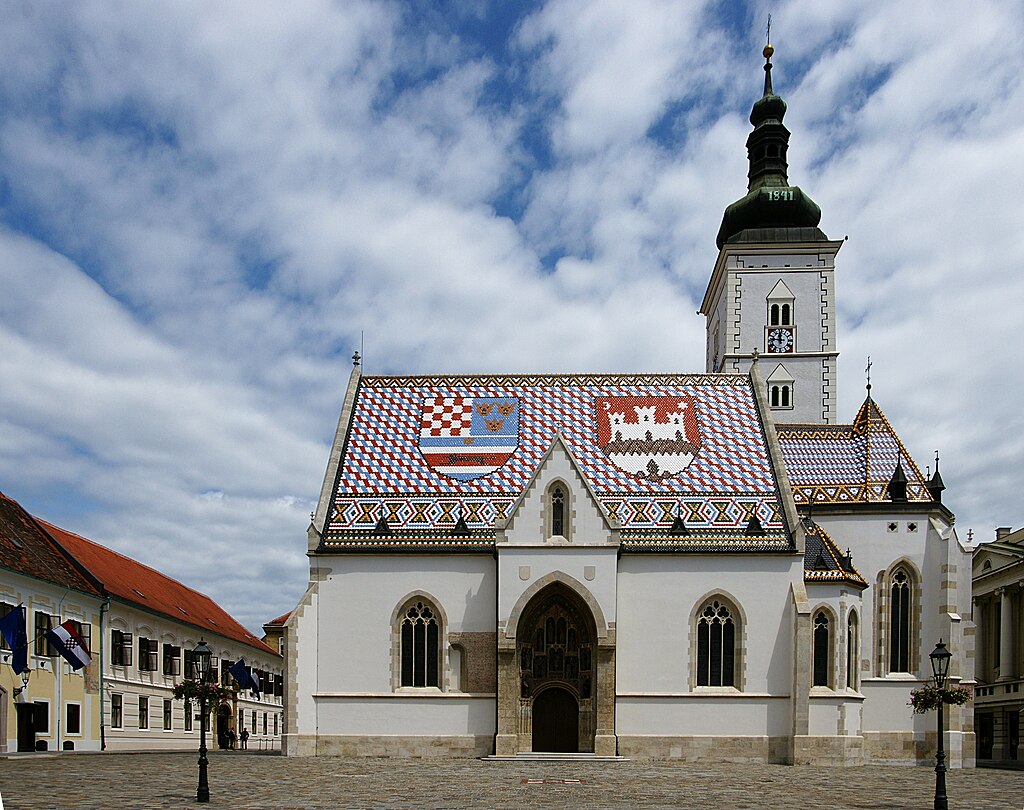
Photo by Alexander Klink
St. Mark's Church (Croatian: Crkva sv. Marka), located in the Upper Town of Zagreb, is one of the city's most iconic and historically significant landmarks. It was originally built in the 13th century and reflects a harmonious blend of Gothic and Romanesque architectural styles. Its unique, colorful tiled roof is the church's most recognizable feature, showcasing two prominent coats of arms: the combined emblem of Croatia, Dalmatia, and Slavonia and the Zagreb city crest. This striking roof has made the church a frequent subject of postcards and travel videos about Zagreb.
The church is the centerpiece of St. Mark's Square, a place of great political and historical importance for Croatia. Surrounded by the Croatian Parliament (Sabor) and the Government building, the square serves as a symbol of Croatian statehood and is often the venue for official events, including presidential inaugurations.
More about St. Mark's Church (A Guide to St. Mark’s Church and squere in Zagreb: A Symbol of Croatian Heritage - Visit Zagreb)
Priest's Tower
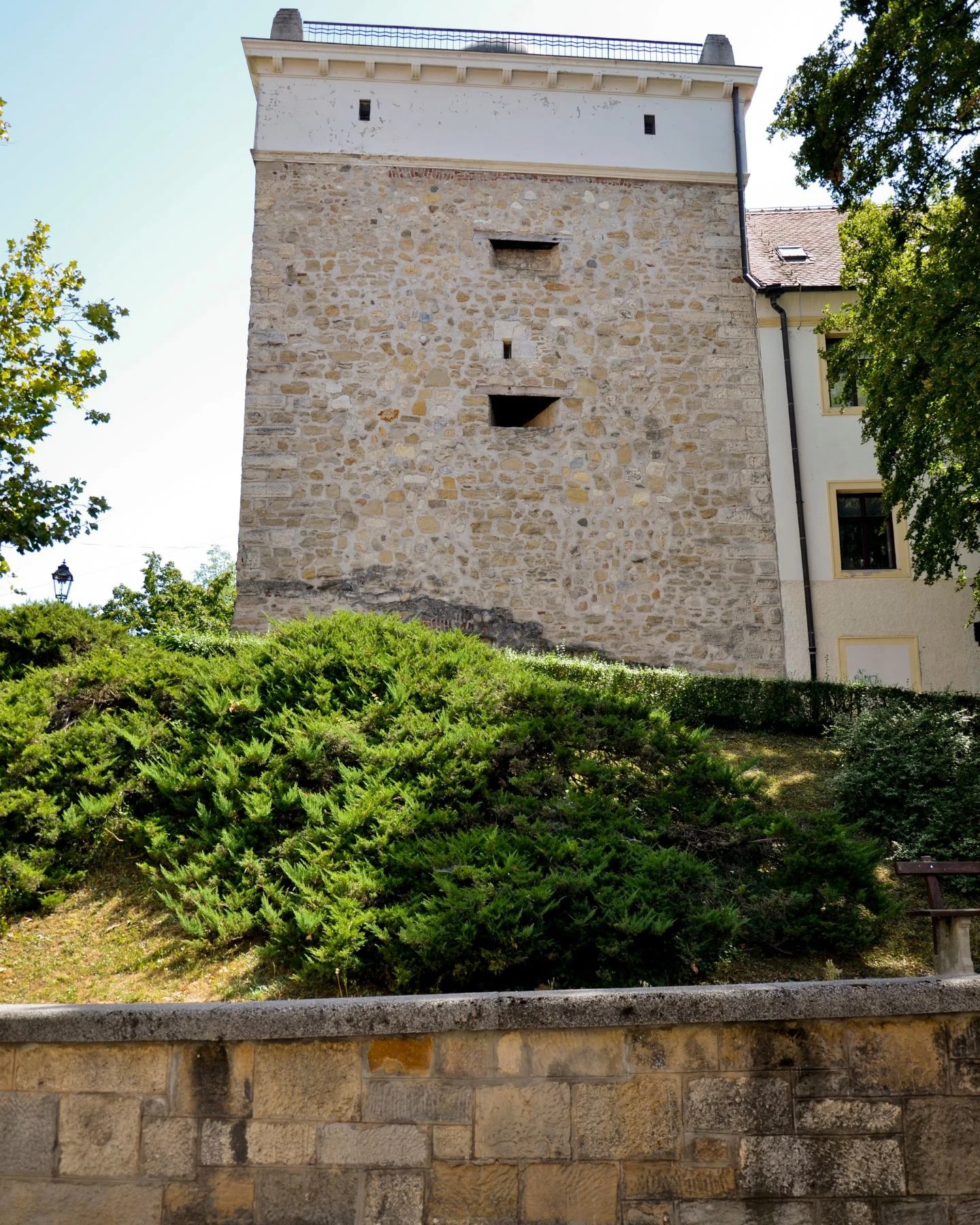
Priest's Tower (Croatian: Popov Toranj), in Zagreb’s Upper Town (Opatička Street) erected around 1247, is considered the oldest surviving structure in Zagreb. Originally a property of the bishop of Zagreb. Severely damaged in the 1880 earthquake. In 1903, The Observatory was founded by the Croatian Society of Natural Sciences.
The Stone Gate
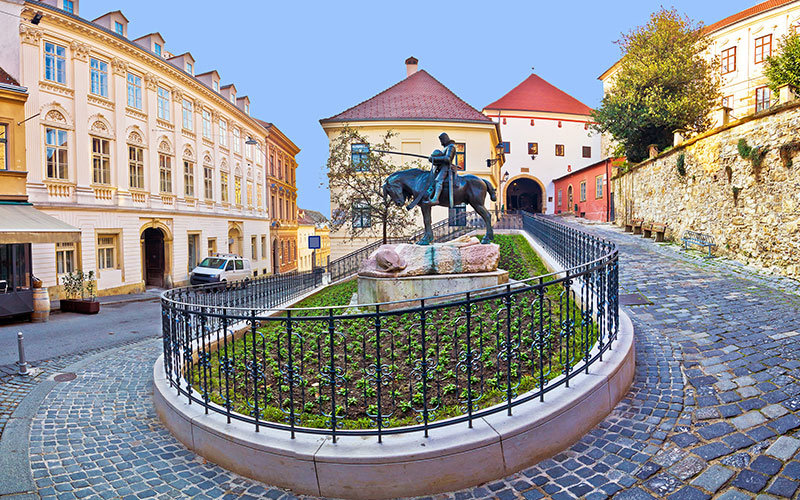
The Stone Gate (Croatian: Kamenita vrata) is one of Zagreb’s most cherished historic landmarks and the only remaining gate of the city’s medieval fortifications. Dating back to the 13th century, it once served as the main entrance to Upper Town and has long been a symbol of protection and faith. Inside the gate, a small chapel houses a 17th-century painting of the Virgin Mary, which survived a major fire in 1731 and is believed by locals to have miraculous powers. Visitors often stop to light candles, say a prayer, or leave tokens of devotion, making it a spiritual as well as historical site.
When you pass through the Stone Gate, on your way to the Church of St. Mark, you will pass by the oldest pharmacy in Zagreb. Its beginnings date back to 1355! One of the owners was a descendant of the famous Italian writer, the great-grandson of Dante Alighieri.
Tkalčićeva Street
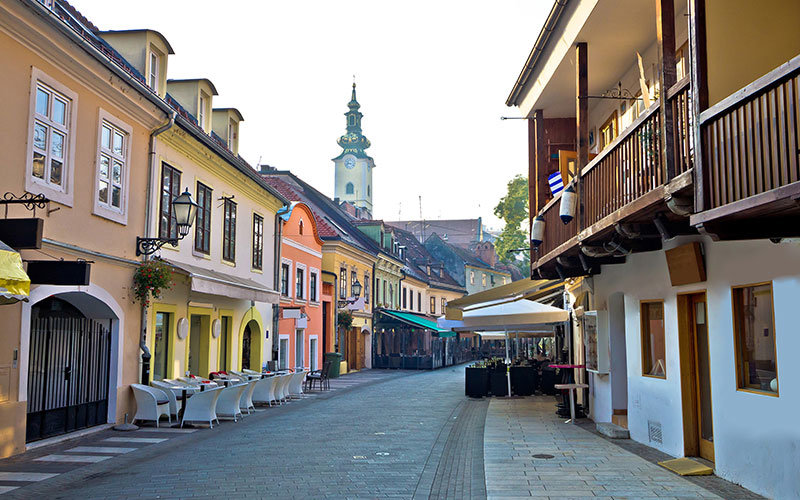
Back in the Middle Ages, on the place of the today’s Tkalciceva street was a stream that flowed trough a valley dividing the two oldest Zagreb settlements – Gradec and Kaptol. Its waters powered 25 mills, which were crucial for the industry of both settlements. The mills were often a source of conflict between Gradec and Kaptol. And the infamous Bloody Bridge, the site of many fights, crossed this stream. The Medveščak stream was transformed into a street in 1898. Ivan Krstitelj Tkalčić: The historian after whom the street was named in 1913.
Zagreb Cathedral
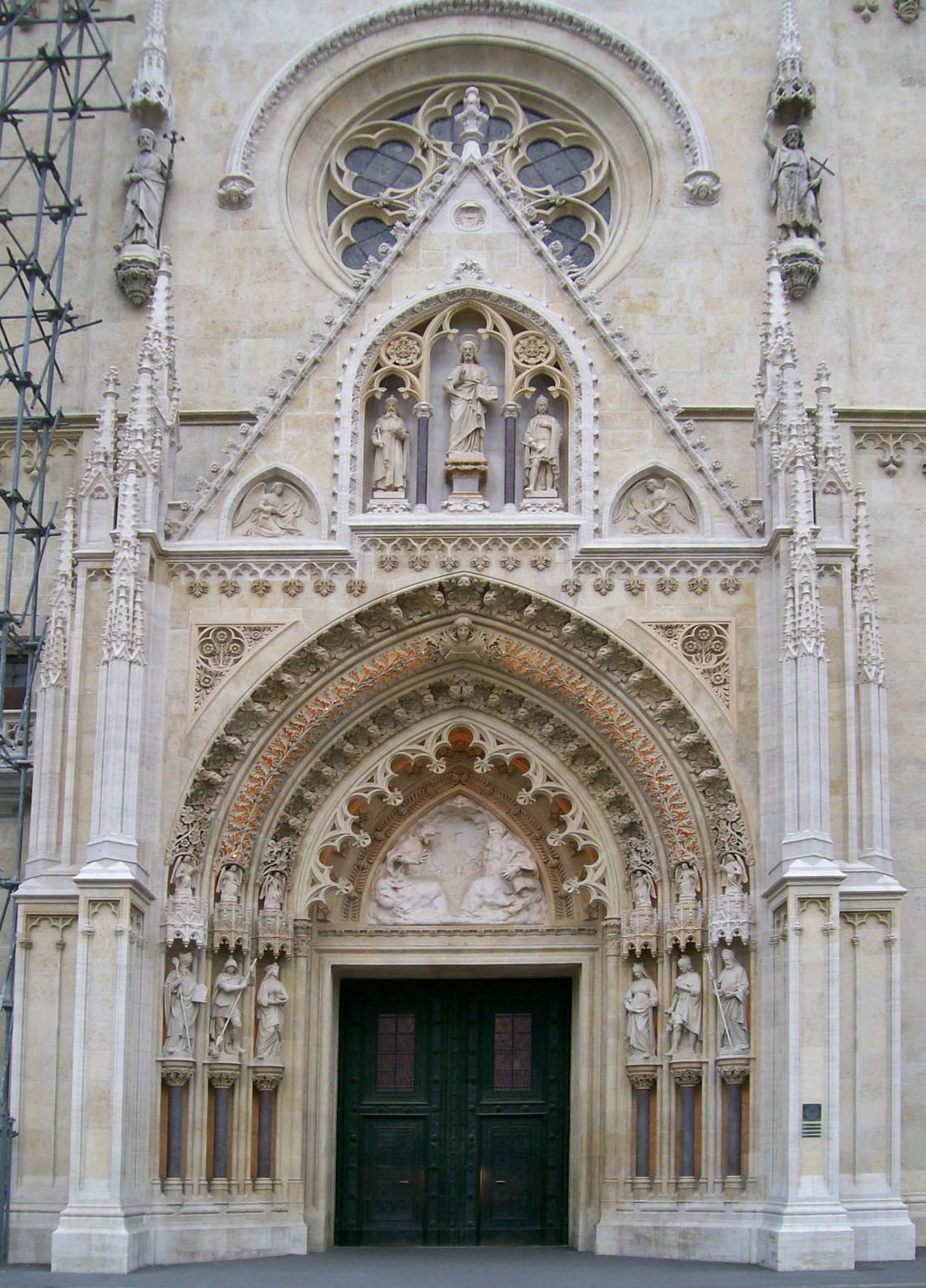
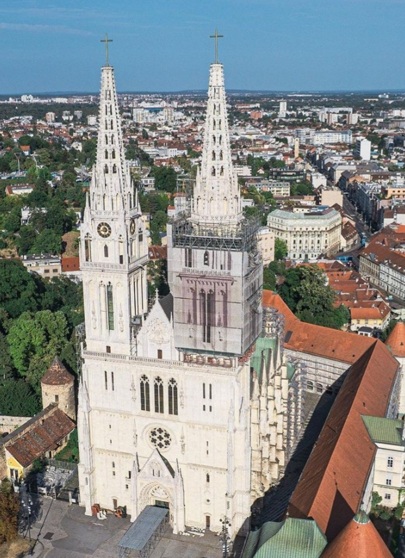
Zagreb Cathedral is one of the largest and most recognizable symbols in the entire city. The beginnings of the construction of the Zagreb Cathedral date back to the 11th century when King Ladislav founded the Zagreb diocese. The cathedral was then built in the Romanesque-Gothic style, and after the great attack of the Tatars, it was rebuilt in the Gothic style. In the 16th century, the cathedral received a Renaissance tower, and different walls also surrounded it. Throughout history, this magnificent building faced Turkish attacks, severe earthquakes, and fires, which destroyed it on several occasions. The biggest earthquake occurred in 1880 when the cathedral's vaults wholly collapsed, and on that occasion, the church's altars, floor, and bell tower were also damaged. The church was later significantly damaged in 2020 during a strong earthquake when the south tower fell and significantly damaged the building of the Archbishop's Palace. The restoration of the church continues to this day.
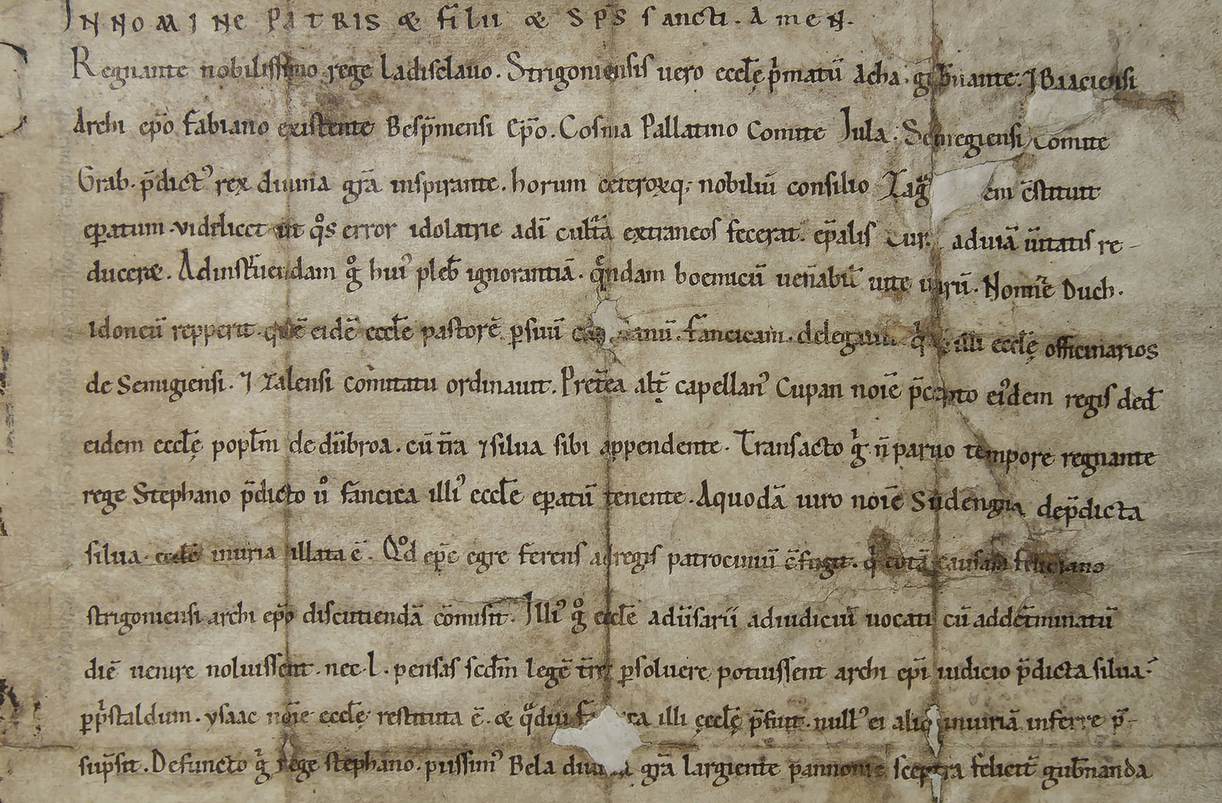
The Charter of Felician
Zagreb Cathedral Treasury is one of the most important cultural institutions that laid the foundation for many significant institutions in Zagreb and throughout Croatia. Established at the end of the 11th century with the funding of the Archdiocese of Zagreb, it represents a significant event in both ecclesiastical and political history. Bearing witness to the importance of the Archdiocese of Zagreb, the Treasury is a source for understanding the development of Croatian identity. Among its most valuable items is the Charter of Felician from 1134 , which contains the first recorded mention of the city of Zagreb. The Treasury includes collections of exceptional historical and artistic value. These include liturgical books that formed the foundation of Zagreb’s religious tradition, music collections that have borne witness to a rich heritage of sacred music, and a wealth of textiles. Particularly noteworthy are the cloak of King Ladislaus I of Hungary, a symbol of religious and political authority, and the oldest preserved flag and sceptre of a Ban of Croatia, reflecting the tradition of Croatian statehood and autonomy.